Understanding the Importance of Lifelong Learning in Culture
In today's fast-paced world, the concept of lifelong learning has become increasingly vital, particularly in cultural contexts. Engaging with cultural education and experiences can enrich our lives, foster creativity, and build community connections. This article explores the significance of lifelong learning in culture and offers insights into how it can enhance personal growth.
What is Lifelong Learning?
Lifelong learning refers to the continuous, self-motivated pursuit of knowledge and skills throughout an individual's life. According to research from the OECD, lifelong learning is essential for adapting to changing job markets and for personal development. It often involves formal education, informal learning, and experiential opportunities that can occur in various settings.
"Lifelong learning fosters an adaptable mindset, which is crucial in our rapidly changing world." - Global Education Expert
The Cultural Dimension of Lifelong Learning
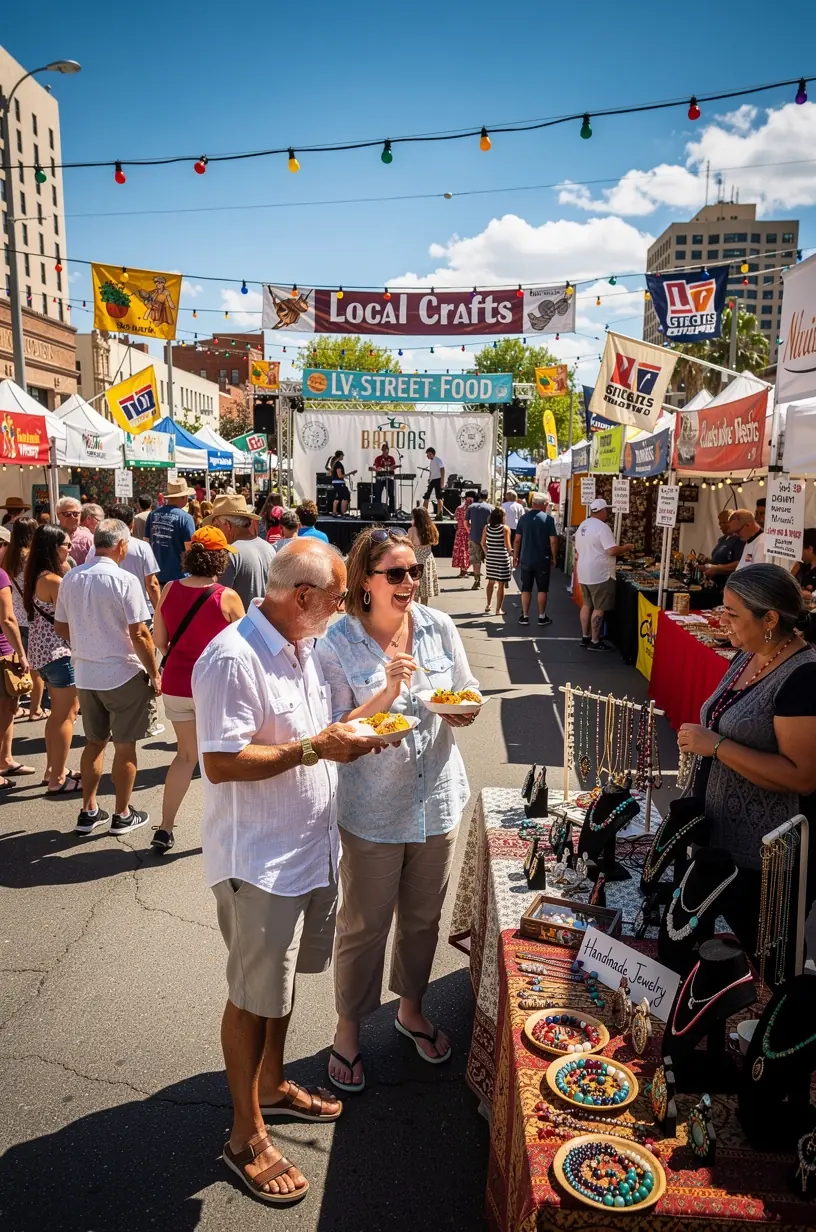
Culture plays a significant role in lifelong learning, providing context and meaning to our experiences. Engaging with cultural activities, such as attending workshops, participating in local events, or joining hobby clubs, can enhance our understanding of different perspectives and identities. Studies show that active participation in cultural learning can improve cognitive abilities and emotional intelligence, making it an effective approach for personal development.
Benefits of Lifelong Learning in Cultural Contexts
- Enhanced Creativity: Exposure to diverse cultural experiences can stimulate creative thinking. Research indicates that engaging in cultural activities can increase creativity by up to 25%.
- Stronger Community Connections: Participating in cultural events typically fosters a sense of belonging and community. Many users report feeling more connected to their local environment and to others who share similar interests.
- Personal Growth: Lifelong learning through culture often leads to improved self-awareness and personal development. Experts recommend that individuals seek out learning opportunities that challenge their perspectives.
How to Engage in Lifelong Learning within Cultural Frameworks
Getting involved in cultural learning is often a straightforward process. Here are several practical steps you can take:
- Identify Your Interests: Reflect on what areas of culture excite you, whether it’s art, music, literature, or traditions. This self-awareness can guide you in selecting relevant learning opportunities.
- Seek Local Opportunities: Look for workshops, classes, or events in your community. Many cultural institutions offer programs specifically designed for adults seeking to expand their knowledge.
- Join Hobby Clubs: Participating in clubs that focus on cultural activities allows you to learn from others while sharing your own insights. This collaborative approach can enhance your understanding and enjoyment.
Setting Realistic Expectations
While engaging in lifelong learning through culture can be rewarding, it is important to set realistic expectations. Typically, results from cultural learning experiences may take time to manifest, often requiring several weeks or months of consistent participation. It’s also worth noting that some activities may involve a learning curve, and dedication is necessary for meaningful engagement.
Conclusion
Cultural lifelong learning is an effective way to enrich your life, foster connections, and promote personal growth. By understanding its importance and actively seeking out opportunities, you can cultivate a more fulfilling and engaged life. Remember to approach your learning journey with patience, as meaningful insights and connections often unfold over time.